If your hearing aids start sounding weak, distorted or inconsistent during the summer, the problem is often something that can be fixed at home. Earwax, moisture and debris are among the most common causes of hearing aid issues, and routine cleaning can often restore performance before a repair is needed.
Muffled Sound From Earwax Buildup
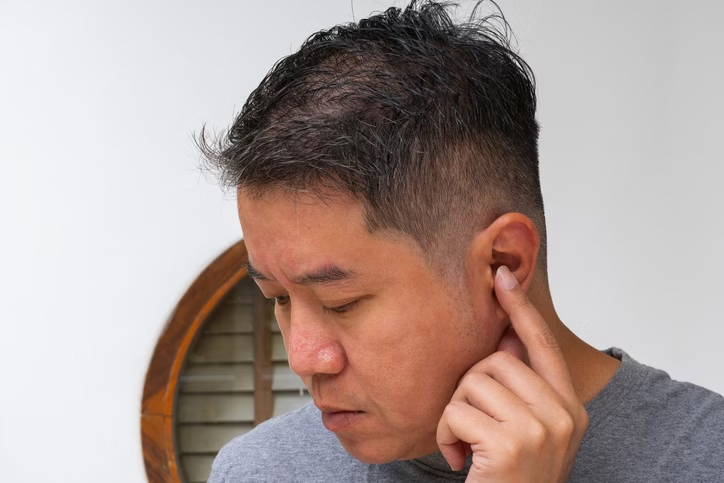
One of the most common hearing aid problems is muffled or reduced sound. In many cases, earwax has worked its way into the wax guard, receiver or sound outlet. According to Johns Hopkins Medicine, wax buildup in the receiver is one of the most common causes of hearing aid failure.1
This can happen suddenly. Conversations may seem quieter than they did a few days ago, or you find yourself turning the volume up in situations you previously haven’t had to.
At home, you can:
- Replace the wax guard if your device uses one.
- Gently brush away visible debris using the cleaning tools recommended for your hearing aids.
- Wipe the device with a clean, dry cloth.
If sound remains weak after cleaning or replacing the wax guard, it’s time to bring your hearing aids to Spartanburg-Greer ENT & Allergy for professional service.
Moisture-Related Distortion
Summer heat means more sweat, humidity and time outdoors. Moisture can collect around microphones and other small openings, causing intermittent sound, static or distortion.
A few steps often help:
- Wipe hearing aids dry at the end of the day.
- Store them in a dry location overnight.
- Use a hearing aid dryer or dehumidifier if you spend significant time outdoors.
Patients throughout Spartanburg and Greer often notice this issue after yard work, long walks or outdoor events.
If your hearing aids continue cutting in and out after drying and cleaning, a professional hearing aid evaluation is a smart next step.
Blocked Microphones Causing Poor Speech Understanding
Sometimes hearing aids seem to be working, but voices don’t sound as clear as they should. Tiny microphone openings can become blocked by dust, skin oils or debris.
This develops gradually. You may not notice a sudden change. Instead, speech clarity slowly declines.
Careful brushing around microphone ports can often restore performance. Never insert tools into microphone openings, since doing so can damage delicate components.1
When cleaning doesn’t improve clarity, the blockage may be deeper inside the device and require professional cleaning equipment.
Can Home Cleaning Prevent Most Hearing Aid Repairs?
Home maintenance can prevent many common service issues. Daily cleaning removes wax and moisture before they accumulate, though professional cleanings are still important for reaching areas that can’t safely be cleaned at home.
A Little Maintenance Goes A Long Way
Most hearing aid problems don’t appear overnight. Small buildups of wax, moisture or debris tend to accumulate until sound quality changes enough to notice.
Regular check-ins help catch those issues early. At Spartanburg-Greer ENT & Allergy, seasonal hearing aid cleanings give you an opportunity to have your devices inspected, cleaned and performing their best before a minor issue becomes a larger repair.
Sources
1 Johns Hopkins Medicine. “Caring for Your Hearing Aid.” Johns Hopkins Hearing Aid Care Guide Learn More: